Consumer Council Tests 44 Smartwatches and Fitness Bands: Is an Expensive Watch Not Necessarily the Most Accurate? A Guide to Choosing Watches and Bands for All Ages
In November 2026, the Consumer Council of Hong Kong published the results of a test on smart wearables coordinated by the International Consumer Research and Testing Organisation (ICRT), covering 38 smartwatches and 6 fitness bands sold in Hong Kong. The test found that a smartwatch's price is not necessarily linked to the accuracy of its data. Some higher-priced flagship models performed similarly to mid-priced products, while battery life varied by more than 12 times across different models.
How do smartwatches from Apple Watch, Samsung Galaxy Watch, Garmin, Huawei, Xiaomi, and others perform? When choosing, should you prioritise health data accuracy, GPS, battery life, or water resistance? This article summarises the key findings of the Consumer Council's test and provides smartwatch purchasing advice for different ages and usage needs.
Key Findings from the Consumer Council Test:A smartwatch is not necessarily more accurate in its health data measurements simply because it costs more. When choosing, you should decide based on your actual needs, exercise habits, battery life requirements, and functional performance, rather than relying solely on price or brand.
Table of Contents
Consumer Council Test Results for 44 Smartwatches and Fitness Bands
The Consumer Council published its smart wearable test report in November 2026, evaluating the performance of smartwatches and fitness bands in areas such as health data measurement, exercise tracking, smart features, battery life, user experience, and durability through a range of tests.
The test covered 38 smartwatches and 6 fitness bands. The results showed significant differences in performance across various tests depending on the brand and model. Some mid-priced models performed well in data accuracy, even achieving scores comparable to high-priced flagship models.
For the full list of tested models and their scores, see the Consumer Council's Smartwatch and Fitness Band Test Report.
Six Key Findings from the Consumer Council's Smartwatch Test
1. Health Data Measurement Performance Varies
The test found that different smartwatches performed inconsistently in measuring health data such as heart rate and blood oxygen levels, with some models showing significant measurement deviations. Therefore, even if a smartwatch offers multiple health monitoring features, this does not mean all data is equally accurate.
2. GPS Distance and Step Counting Are Relatively Accurate
The GPS distance deviations of most tested smartwatches were within an acceptable range, with errors not exceeding 6.5%. Performance in step counting was also good, with deviations not exceeding 5.7% in most test items.
3. Message Notification Features Generally Work Normally
All tested smartwatches provided vibration alerts when messages were received and could display incoming calls and text messages. However, six watches did not support hands-free calling or voice assistants because they lacked built-in speakers or microphones.
4. Battery Life Varies by More Than 12 Times
Battery life is one of the major differences between smartwatches. Some models can last about 20 days on a full charge, while four models lasted only about 1.7 to 2.4 days.
In addition, enabling power-intensive features such as Always-On Display further reduces battery life.
5. Most Smartwatches Are Easy to Use
Most tested models performed smoothly in installation, phone pairing, and daily operation, with some receiving user experience scores of 4.5 to 5. However, some models, such as the W37 (Decathlon Fit 100), received lower ratings due to unstable connections or insufficient information display.
6. Fitness Bands Perform Consistently and Offer Good Battery Life
Fitness bands also performed well in daily health and exercise tracking. In the test, the heart rate measurement errors of five fitness bands did not exceed 12%, and models with GPS were also more accurate in measuring distance.
However, none of the tested fitness bands had speakers or microphones, so their smart features were relatively limited. Battery life ranged from about 8 to 17 days, and they generally offered greater wearing comfort.
Note:The calculation of the overall rating for smartwatches and fitness bands differs, so their overall scores should not be compared directly.
1. Value for Money and Health Data Accuracy
In the Consumer Council test, 31 smartwatches received an overall rating of 4.5. Among them, the Huawei Watch Fit 5 ($1,269) and Amazfit Active Max ($1,298) also scored between 4.5 and 5 in data performance, showing that mid-priced smartwatches can also provide a good daily user experience.
In exercise tracking, the GPS distance deviations of the tested watches were within 6.5%, and the heart rate measurement errors of more than half the models did not exceed 5%. However, some models had heart rate errors exceeding 11%, while others showed blood oxygen data deviations of 1.95%, miscounted hand movements as steps, and had altitude measurement errors of 33% to 56%.
Regarding fitness bands, the Xiaomi Smart Band 10 Pro ($488), which features GPS, received a score of 4.5 and had distance deviations of only 1.2% to 2.5%, outperforming models without GPS, which had distance deviations of about 6.8% to 11%.
2. Battery Life and Daily Power Consumption
Battery life varies significantly across smartwatch brands. Some flagship models offer more features but also drain the battery relatively quickly. For example, several Samsung models lasted about 1.7 to 2.4 days, while several Apple models lasted about 3.0 to 3.3 days.
In contrast, models such as the Xiaomi Watch S5, Huawei Watch GT 6, and Garmin Instinct 3 can last about 20.8 days, making them suitable for users who do not want to charge their devices frequently.
To extend battery life, consider disabling power-intensive features such as Always-On Display and adjusting health monitoring and notification settings according to your actual needs.
3. Calling Features, Water Resistance, and Durability
Some smartwatches and all tested fitness bands lack built-in microphones and speakers, so you cannot make calls directly through the watch. If you need to answer calls or use a voice assistant daily, check before purchasing whether the model has the necessary hardware.
In terms of durability, the tested watches scored between 4.5 and 5 in scratch resistance and privacy encryption. However, when choosing, you should still pay attention to the practical uses of different water resistance ratings.
- IP68:Primarily indicates a certain level of dust and water resistance, but does not mean it can be used for swimming.
- 5ATM:More suitable for users who need to swim, but you should still refer to the brand's restrictions on practical usage scenarios.
- 10ATM:Provides a higher level of water resistance, but you should still check the product manual to confirm suitable activities.
In addition, when purchasing a model (such as the Pixel Watch 4), you should also pay attention to the manufacturer's warranty and after-sales service arrangements, and regularly update the watch firmware to enhance privacy and network security.
4. How to Choose Between a Smartwatch and a Fitness Band?
Smartwatches generally offer more comprehensive smart features, such as phone notifications, voice assistants, GPS exercise tracking, and various health monitoring features. Fitness bands focus more on being lightweight, comfortable, providing basic exercise tracking, and offering longer battery life.
If you mainly use your device to track daily steps, heart rate, and sleep, a fitness band can meet many basic needs. If you exercise frequently, need GPS positioning, answer calls, or use more smart features, you may want to consider a smartwatch with more comprehensive features.
Smartwatch Purchasing Advice for Different Ages and Usage Needs
There is no single smartwatch that suits everyone. The Consumer Council test results show that you should choose a model that truly meets your personal needs based on your age, lifestyle, and usage scenarios.
| User |
Purchasing Direction |
| Seniors / Those who do not want to charge frequently |
Choose a smartwatch or fitness band with about 20 days of battery life to reduce charging frequency. |
| Runners / Hikers / Swimmers |
Choose a smartwatch with GPS, a reliable altimeter, and a water resistance rating of 5ATM or higher. |
| Office workers / Budget-conscious users |
Choose based on your actual calling and health tracking needs. A smartwatch costing around $1,200 can provide a good daily user experience. |
Six Tips for Choosing and Using Smartwatches
1. Health Data Is for Daily Reference Only
Smartwatches and fitness bands are not medical devices. The heart rate, blood pressure, and blood oxygen data they provide are suitable only for daily health reference and should not be used for medical diagnosis or as a substitute for professional medical examinations.
Important Reminder:If you feel unwell or suspect that your health data is abnormal, seek professional medical advice and do not rely solely on smartwatch measurements to make your own assessment.
2. Choose a Model Based on Your Personal Needs
An expensive smartwatch does not necessarily mean more accurate data or more powerful features. Before purchasing, consider your daily exercise type, whether you need GPS, calling, health monitoring features, and battery life, and then compare the actual performance of different models.
3. Wear Your Smartwatch and Band Correctly
A watch band that is too loose or too tight can affect the accuracy of the optical heart rate sensor. When wearing it, adjust the tightness according to the product manual to ensure the watch fits securely against your wrist while avoiding pressure or discomfort.
In addition, if you need to track your heart rate during exercise, choose a band of the appropriate size and material to reduce the watch from shifting on your wrist.
4. Pay Attention to the Water Resistance Rating of Your Smartwatch
If you need to swim or participate in water activities, choose a smartwatch with a water resistance rating of 5ATM or higher, and pay attention to the brand's restrictions on water activities and hot water environments. A product with only an IP68 water resistance rating does not mean it can be worn while swimming.
5. Regularly Update Firmware and the Phone App
Smartwatches and fitness bands generally need to connect to and sync data with a phone app. Users should regularly update the device firmware and phone app to enhance network security, improve functional performance, and protect personal privacy.
6. Consider Charging Methods and Battery Usage Habits
People who travel or go out frequently may want to consider models that support fast charging or wireless charging to reduce charging time. At the same time, pay attention to the impact of Always-On Display, continuous GPS tracking, and other power-intensive features on battery life.
WatchBandCo Watch Band Pairing Tips: Comfortable and Stylish
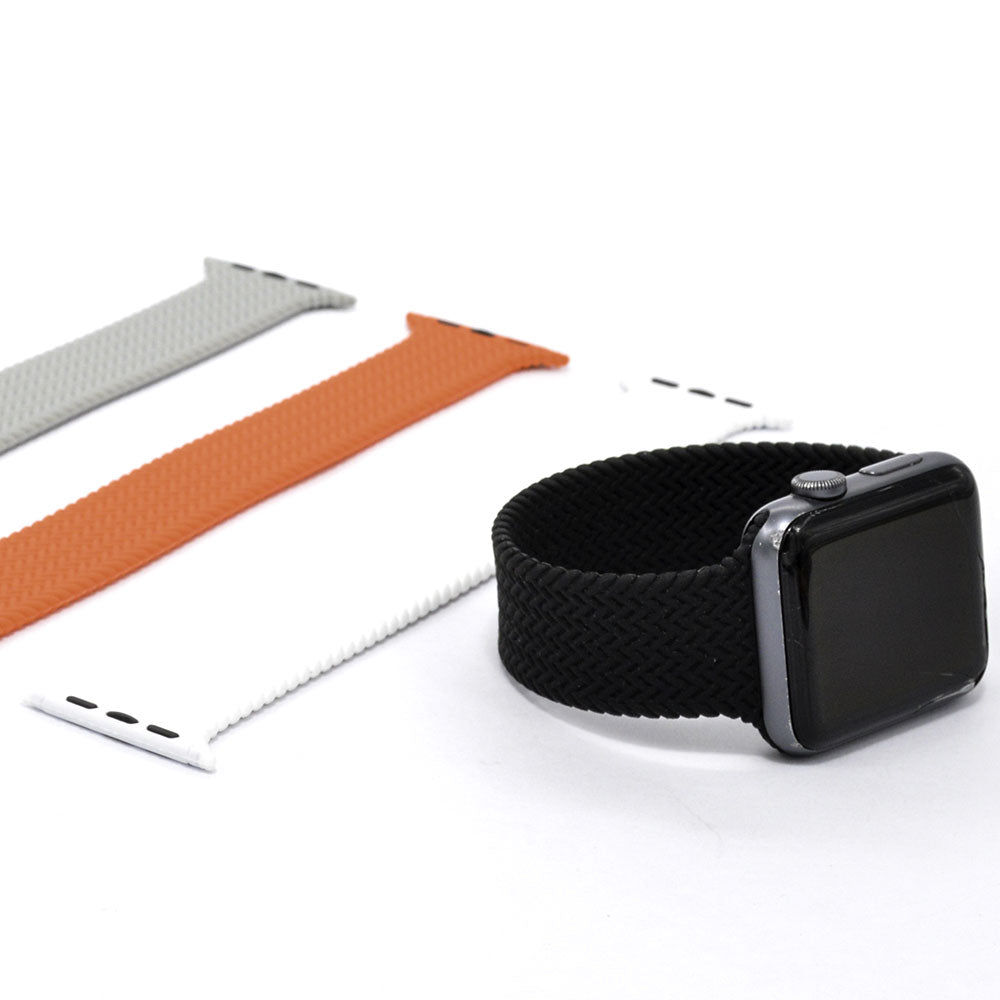
The Consumer Council test reminds users that the tightness of a smartwatch band affects the accuracy of the optical heart rate sensor. Therefore, in addition to choosing a suitable smartwatch model, the material, size, and wearing comfort of the band are also important.
WatchBandCo offers replacement bands for several smartwatch brands, including Apple Watch, Samsung Galaxy Watch, Garmin, Huawei, Fitbit, and Google Pixel Watch, allowing users to pair them freely according to their wrist size, lifestyle, and outfit.
Exercise and Outdoor Activities: Choose a Silicone or Breathable Nylon Band
People who run, work out, or participate in outdoor activities frequently can choose a silicone band or a breathable nylon band. Silicone is easy to clean and suitable for daily exercise and sweaty situations; nylon bands are lighter and more breathable, making them suitable for long-term wear.
Recommended Browsing:
Work and Daily Outfits: Choose a Stainless Steel or Genuine Leather Band
If you want your smartwatch to also serve as a daily fashion accessory, consider a stainless steel or genuine leather band. Stainless steel bands are suitable for business and formal occasions, while genuine leather bands can create a minimalist, mature, and stylish look, making them easy to match with different outfits.
Recommended Browsing:
Cleaning and Maintaining Your Band: Extend Its Lifespan
After exercising or sweating, clean any sweat and dirt from the surface of the band promptly and keep it dry. Genuine leather bands, in particular, should avoid prolonged contact with sweat and damp environments to reduce the chance of damage and deterioration.
For more information on cleaning bands, see: Cleaning and Maintaining Smartwatch Bands: Tips for Hygiene and Longevity.
WatchBandCo Tip:Choosing a suitable smartwatch is just the first step. Pairing it with a band of the right size that fits comfortably against your wrist will help balance daily health tracking, exercise needs, and personal style.